
2014/10/1 柯立偉教授專題演講
演講者:柯立偉 教授 (Dr. Li-Wei Ko)
單 位:國立交通大學生物科技系/腦科學研究中
日 期:2014年10月1日(星期三) 14:30
地 點:國立高雄大學理學院408室
講 題:科學計算於大腦神經科學與應用
Computational Modeling for Brain Neuroscience Research and Applications
摘 要:
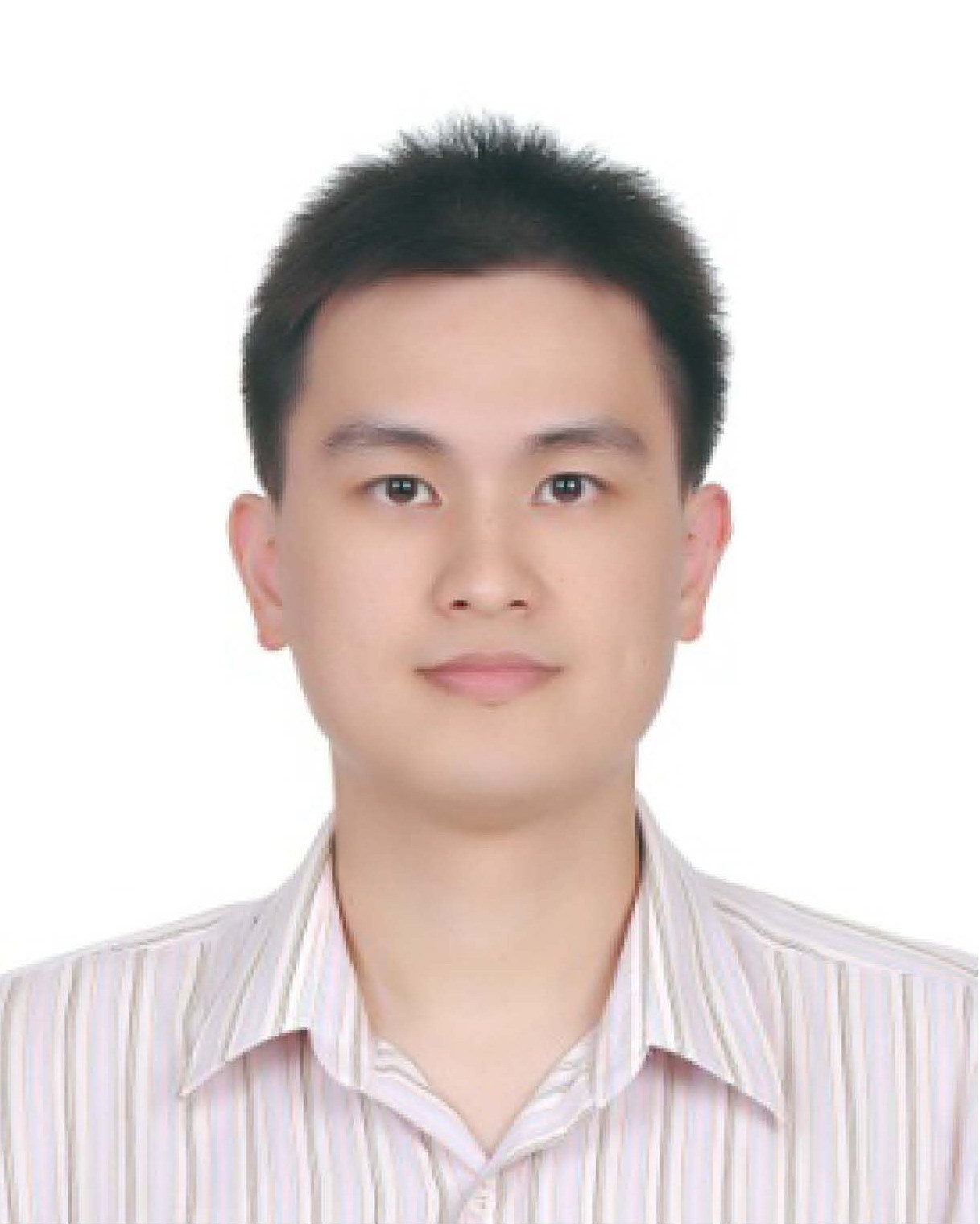
柯立偉 教授簡介
|
|
Li-Wei (Leo) Ko received the B.S. degree in mathematics from National Chung Cheng University in 2001, the M.S. degree in educational measurement and statistics from National Taichung University in 2004, and the Ph.D. degrees in Electrical Engineering from National Chiao Tung University (NCTU), Taiwan, in 2007. He currently is an assistant professor in both Department of Biological Science and Technology, and Brain Research Center (BRC) in NCTU. |
|
He is also the visiting scholar at Institute for Neural Computation in University of California, San Diego (UCSD). In academic service, he serves as the Associate Editors of IEEE Transactions on Neural Networks and Learning Systems (TNNLS, Impact Factor: 4.370, Rank: 2/102, Top: 1.96% of COMPUTER SCIENCE, THEORY & METHODS) in IEEE Computational Intelligence Society (CIS) since 2010, and Journal of Neuroscience and Neuroengineering (JNSNE) since 2012. Dr. Ko is invited to be the Editor Board members of ISRN Automotive Engineering journal and the Scientific World Journal since 2013. Dr. Ko is the technical committee members of Neural Network Technical Committee (NNTC) and Fuzzy Systems Technical Committee (FSTC) in IEEE CIS. Dr. Ko chaired a task force on “Fuzzy Modeling in Brain Computer Interactions and Cognitive Systems” in FSTC. His primary research interests are Neural Engineering and Mobile Wireless Healthcare including EEG signal processing and applying computational intelligence technologies to analyze neural physiological activities associated with human cognitive functions and develop the mobile and wireless brain machine interface in daily life applications. Dr. Ko currently has published 32 journal papers, 71 conference papers, 8 book chapters, 20 program committees in international conferences, 14 invited talks, and 15 paper awards. |
|
Computational Modeling for Brain Neuroscience
Research and Applications
 1031001-柯立偉教授演講通知.pdf